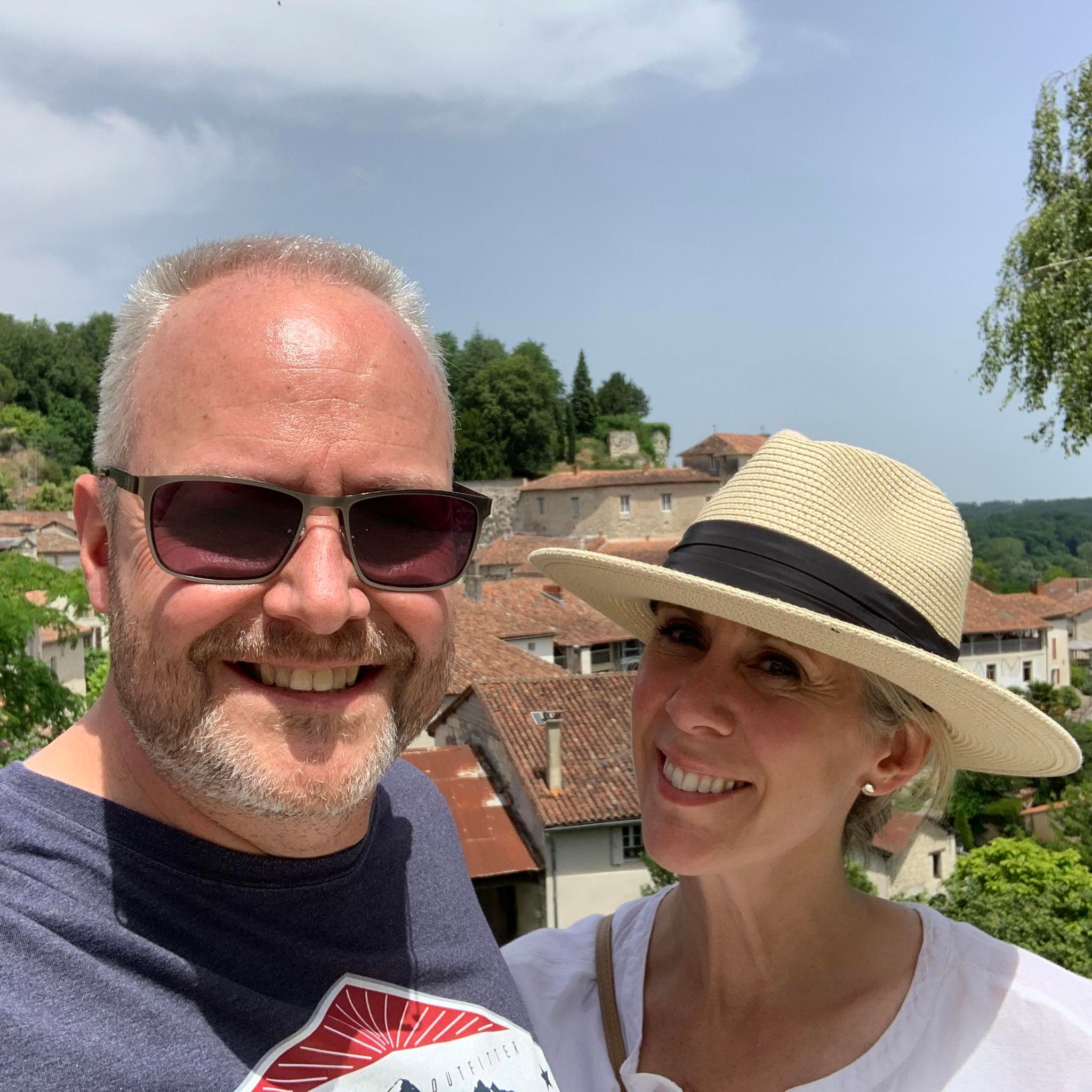
This past Sunday, Darrell and I had our first day off in 16 days. I don’t know that I have ever worked 16 straight days in my life (though some of the all nighter bargaining sessions with the unions felt like 16 days in one 24 hour sprint). We were so exhausted that we closed the B&B for Sunday night, and after saying goodbye to our last guests on Sunday morning about 11am…we danced around the house…enjoying having it to ourselves for just a bit. We slept in on Monday morning and then I came downstairs sans make-up and in my leggings and big Western Washington sweatshirt, knowing that I would not encounter anyone. It was heaven making breakfast for just Darrell and me and drinking my coffee (or two) at my own pace. I’ve loved having guests, and I also know we need breaks to restore and refresh.
April is the opening of “shoulder season” for travel here in Southwest France–business is picking up, and we are hosting more guests for longer stays. Instead of the workers here for a day or two for trainings, we are starting to host guests visiting families or attending to family business. Some are cycling across France or just stopping through after picking up wine in Bordeaux and heading back to another part of France. We’ve hosted house hunters, who also have dreams of living in this part of France–though some of them are looking for second homes, not a primary residence (these are clients on a whole different level:) With the longer stays, we get to know our guests a bit more. We have had the opportunity to learn people’s stories (some of them heartbreaking) and meet needs–many are physical needs of food and shelter, but sometimes, someone just needs someone to talk to–we’ve been able to be there to listen (while also bringing them an espresso–coffee helps too.)
Through these last few months, Darrell and I have learned even more about people and how to best serve them–interestingly, Darrell was a pastor for over 20 years, and I had a career teaching and in human resources; people work has always been our work. Yet here, doing this–we’ve hit a new learning curve when it comes to people. One of the first things we learned is that all of us, no matter what part of the world each of us are from, have ways of doing things that are so routine and part of how we do things we don’t ever consider asking for it or explaining it–we just assume others know; it is our “normal.” Living with people day in and day out is showing us in fresh ways that we can’t assume and we have to look for the assumptions of others. We have learned this lesson in three ways–first, butter.
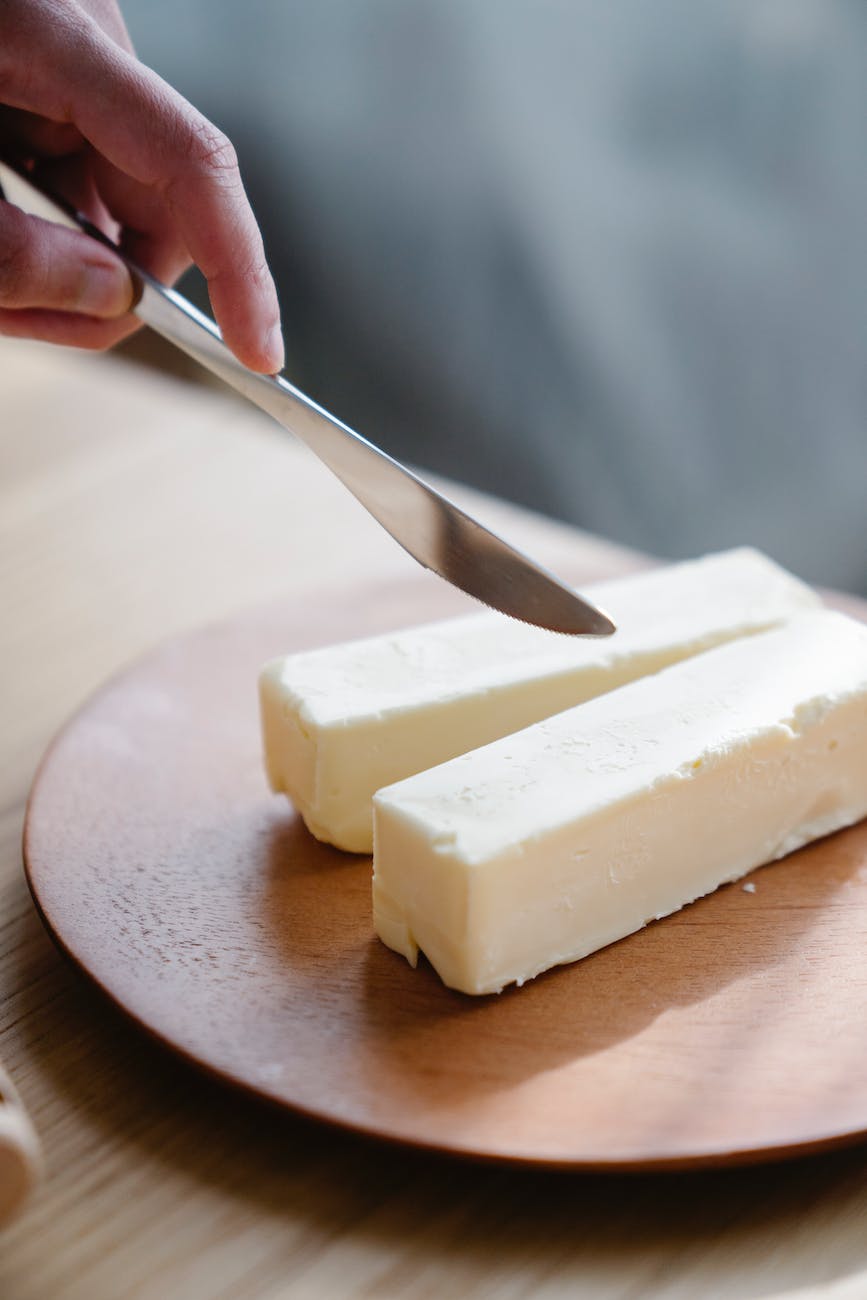
I should start with the fact that butter is pretty important to my food life. I have a butter dish that I keep out on my shelf, so my butter is nice and soft when I want to spread it on a piece of toast or bread. Somehow, ensuring that our guests had soft butter in the mornings totally escaped me in the beginning of this venture. I guess I figured the French were always dipping their pastry in their coffee in the morning, why would they want soft butter? I also noticed that when I sent butter out to the tables in the morning with the baguette, it would always come back uneaten–I just assumed the French didn’t eat butter on bread in the mornings (many don’t for lunch and dinner but that has more to do with the food and the cheese they will eat at those meals–butter and cheese don’t mix). Finally, one day, a young man typed into google translate for me, “soft butter?” I said, “yes!” and brought him some of the soft butter I use–he was much happier. From then on out, I sent out soft butter and now it is always eaten. This may sound like a silly example, but all I really needed was someone to tell me what they wanted (or expected). Being here and being in this job I’ve realized sometimes people won’t do that, don’t think they should have to do that, or assume I know what and how they eat and assume I am just not accommodating them–I’ve had to learn to be more observant and ask or when I am told, respond.
An area in which I made some assumptions was about lamps. In several of our bedrooms, the bedside lamps have on/off switches at the the top of the lamp near the bulb. For my North American and English friends, you are probably thinking, “yes, that’s how most lamps work.” However, in France, it is very uncommon. Most lamps here have a switch on the cord that you turn on/off–they would never think to look for the on/off switch near the bulb. I often have the lamps on in a guest room when I take the guest to their room. I will show them the room and a few other things, but I would never show them how to turn the lamps on/off. I started noticing that when I would go to turn a room the next morning, after we had French guests particularly, the lights were unplugged at the socket. And then, just recently, we had a review from a French man that was overall very good–his only negative was that there was no way to turn off the lights other than unplugging them! After reading it, I exclaimed to Darrell, “we have to start explaining how to turn off the lamps.” It seems crazy and I would be insulted if someone showed me how to turn off a lamp, but here is the thing–if they don’t know it, I need to show them–it’s not insulting, it’s helpful and recognizes their experiences are different than mine. So I started doing it, and there has been a lot of appreciation, including some “ohs and ahs.” I realized that I made my own assumptions that everything worked like I had always known it to–it took me coming here to realize that people grow up with their own “normal.” It is up to me understand what that normal is for them and help them learn how to use an “abnormal” lamp.
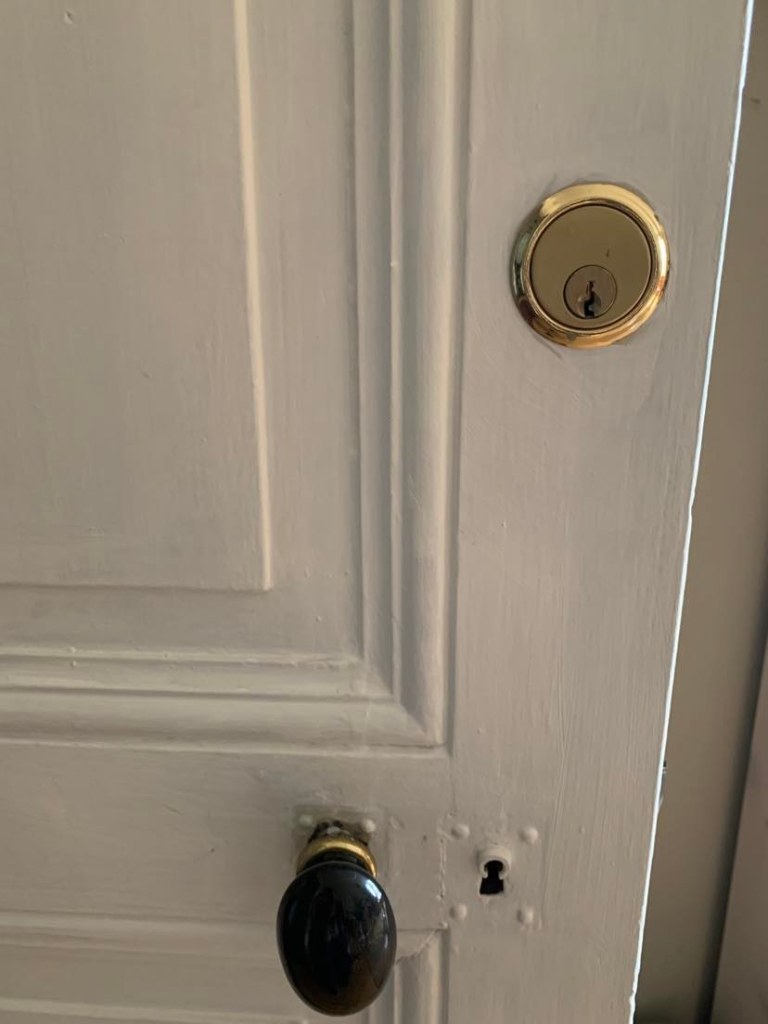
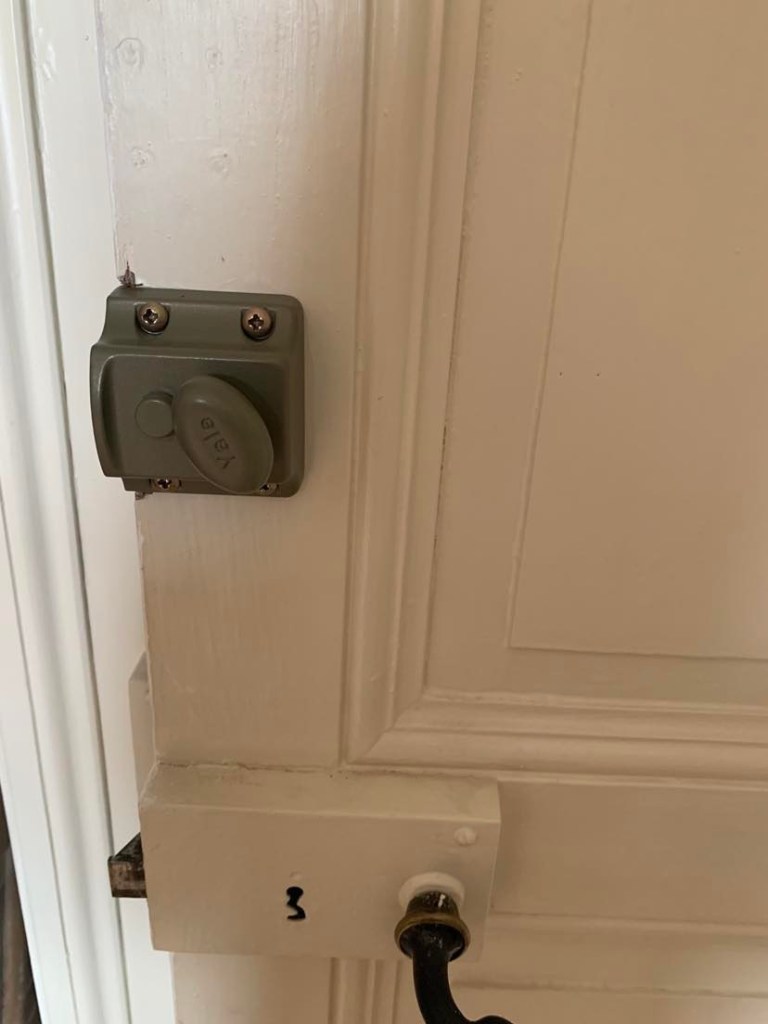
Finally, I think I’ve really learned most about people when I explain to them how to use our door locks. Paul and Lesley, the previous owners are from England, where they use Yale locks–they are not routinely used in France (or America!) If you don’t know what those are, I’ll try to explain: the lock is actually installed in the door above the handle. So, you put in the key and then turn it and the door knob at the same time to open the door. Then, by pushing a little switch on the inside of the door, the door locks automatically behind you. To exit, you have to turn both the lock and the knob to get out. Therefore, you only need a key to open the door, not to lock it. This is quite complicated and even harder when your guests (and this owner for that matter) are not familiar with it and speak different languages. There is a lot of “show and tell” as I explain to them how to use the locks. I’ve noticed there is always one person in a couple who watches what I am doing closely and another who doesn’t really want to be bothered by the details (that is the person who always locks themselves out:) The interesting thing is–showing people how the locks work is our first real bonding opportunity. I know it seems strange, but in a way I am showing them how to access our space; afterwards, when they assure me they’ve got it, I give them the key. There is this an exchange of sorts: I have showed you how my space works, and now I am entrusting it to you.
Butter, lamps, and locks very much represent to me how cultural norms are different, and how our “normal” is not someone else’s normal. The key is observing, looking for assumptions I make or others make unconsciously, challenging my own assumptions, and checking my bias of what I think is “normal.” That really is the beauty of travel and getting out of your comfort zone, isn’t it? Recognizing that we may all experience similar spaces and experiences (like breakfast or the room at my B&B), but what is familiar to me may be very foreign to you or vice versa. I remind myself often of this–as Ted Lasso quotes in season one, “Be curious, not judgemental.”

 A Cariad Life
Leave a reply to Paulette Reeves Cancel reply